Confidential
BRQ and a telecom carrier cut operational costs by 2.5x with migration to AWS

Services
- Data Modernization
- Teradata to AWS Redshift migration
- Move-to-Cloud accelerators
- DDL and UDF conversion
- Cloud data governance and security
How we made an impact
We planned and executed the migration of three on-premises Teradata servers to AWS Redshift, modernizing the entire data ecosystem of one of Brazil's largest telecom carriers, with proprietary accelerators that cut migration time by up to 72% and reduced operational costs by 2.5 times.
Resultados
- 2.5xReduction in operational costs (OPEX)
- -72%Migration time using BRQ accelerators
- Near real-timeAnalytics with improved performance and faster query response times
The challenge
One of Brazil's largest telecom carriers needed to gain OPEX efficiency, cutting operational and recurring costs of its data warehousing infrastructure. The on-premises Teradata environment demanded heavy manual effort to extract insights, made scaling difficult and limited its ability to handle large data volumes, compromising competitiveness in a fast-changing industry.
Studies by IDC and McKinsey show that more than 70% of companies move to the cloud precisely to capture these savings. But migrating is not trivial: it requires planning around governance, security, traceability and data integrity.

What we did
The carrier chose BRQ as its partner for its expertise in data modernization and cloud migration, with certifications across multiple providers. The project migrated three Teradata servers to AWS Redshift in three phases planned jointly with the client's team, going beyond a simple "lift and shift" strategy by modernizing the applications and letting data flow across legacy and future systems.
We applied BRQ's proprietary accelerators, a set of tools, methodologies and best practices for converting Teradata scripts to Redshift (DDLs, Stored Procedures, UDFs), which cut migration time by up to 72%, minimized errors and standardized processes.
The result of the partnership was OPEX 2.5 times lower, reduced storage and disaster recovery costs, elastic scalability with pay-for-actual-use pricing, near real-time analytics, improved security and governance, and flexibility to evolve the architecture as business needs change.
Customer success stories
 BRQ and Globoplay surpass 1 million AI conversations and raise NPS by 22 points Globoplay
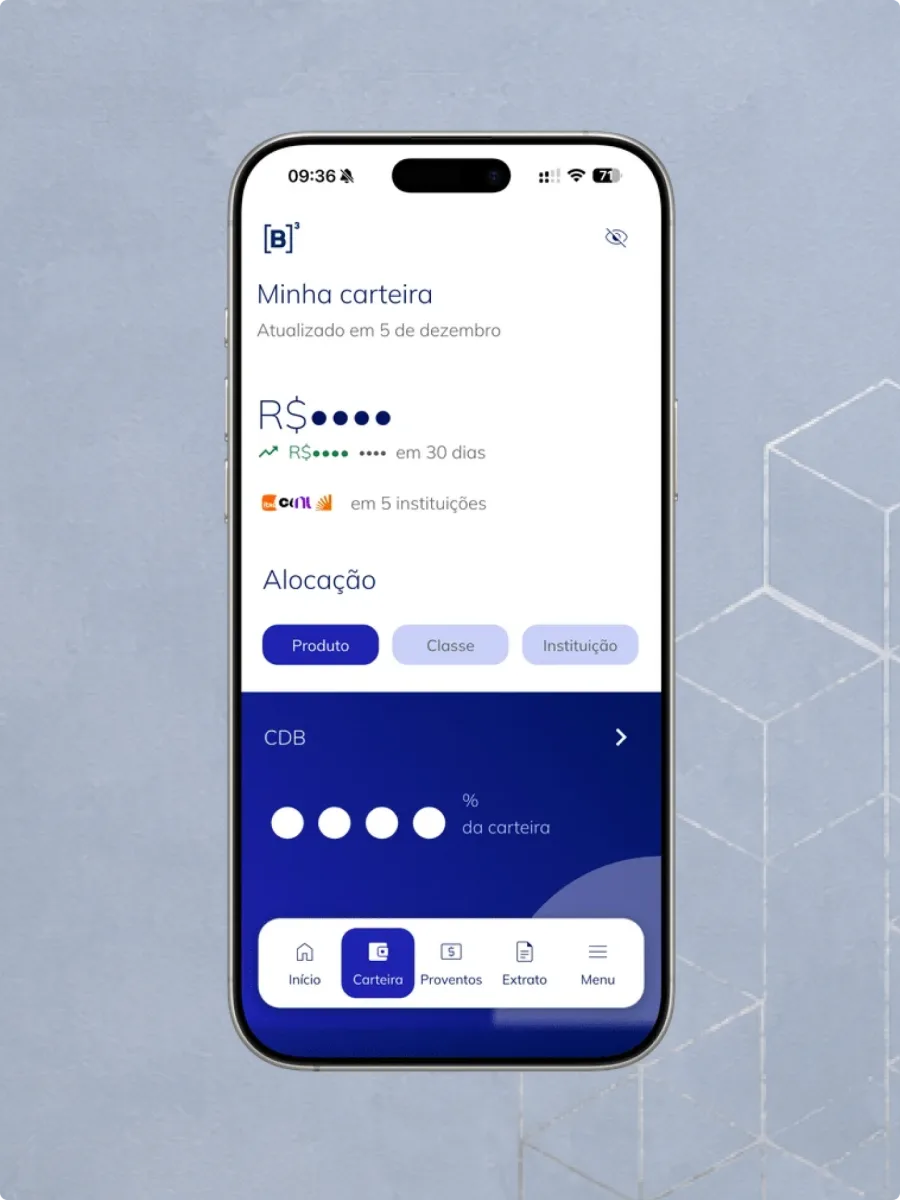 BRQ and B3 build a robust new investment app in under 7 months B3
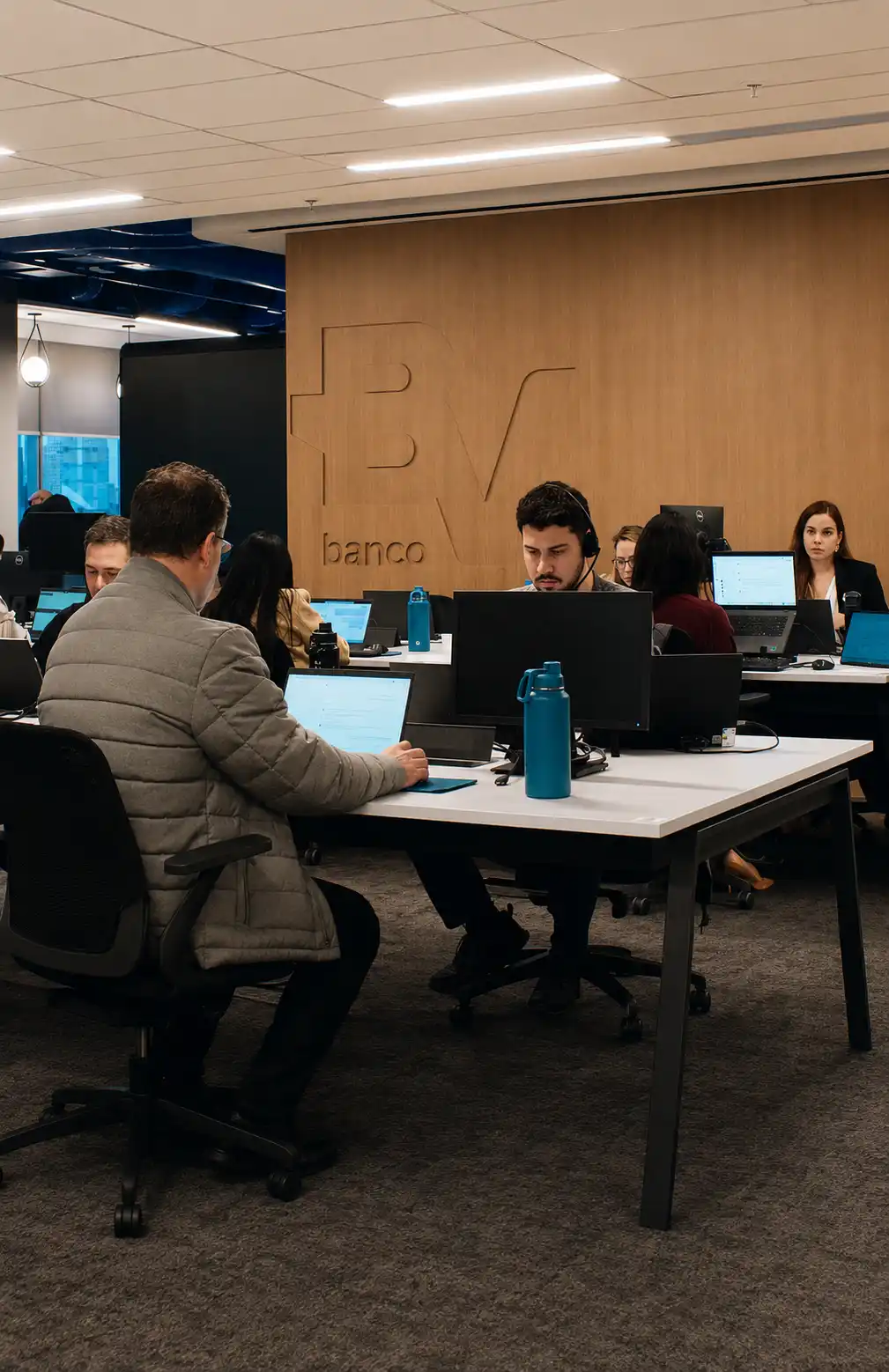 BRQ and Banco BV build an AI-powered marketing house and increase productivity by more than 50% Banco BV
 BRQ and BBTS boost negotiation conversions by 306% with AI on WhatsApp BBTS
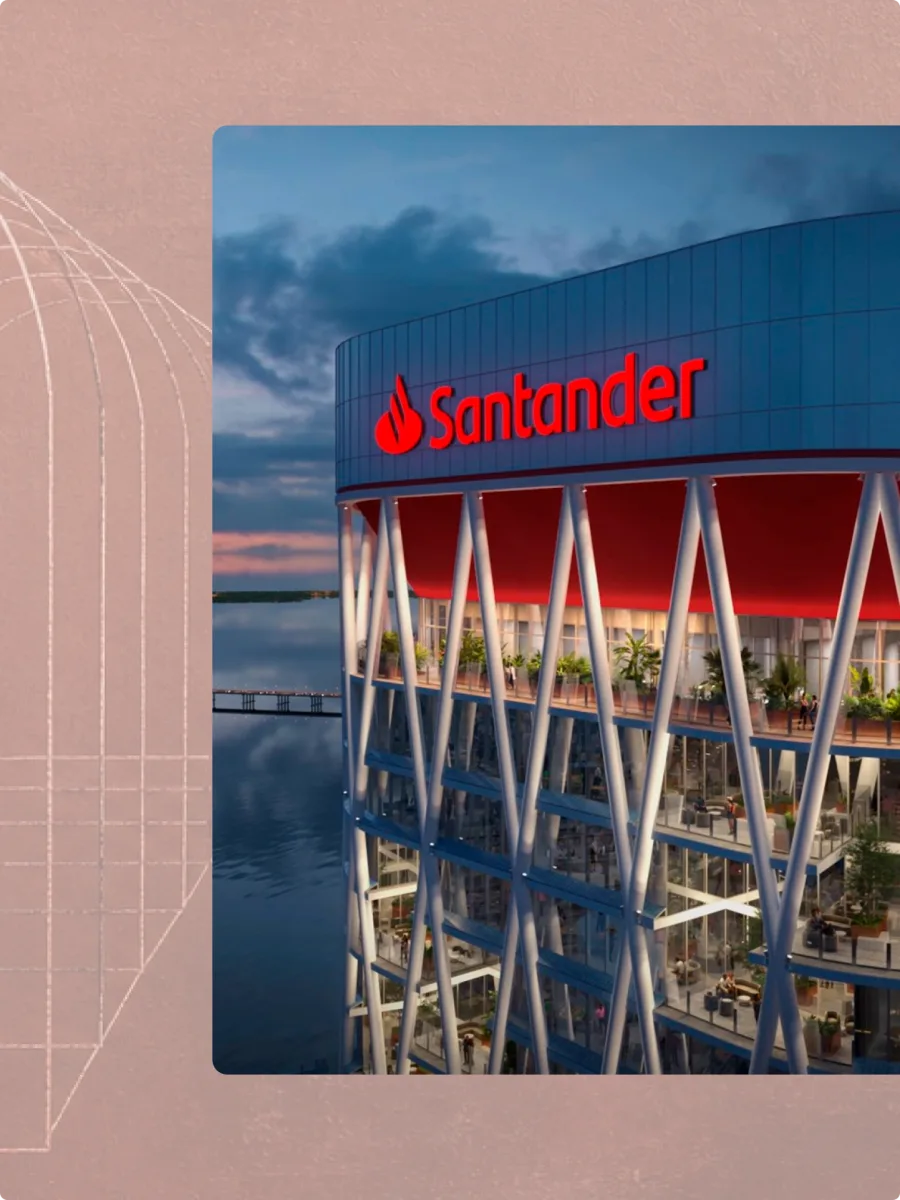 BRQ and Santander hyperpersonalize interactions between investment advisors and clients at scale Santander
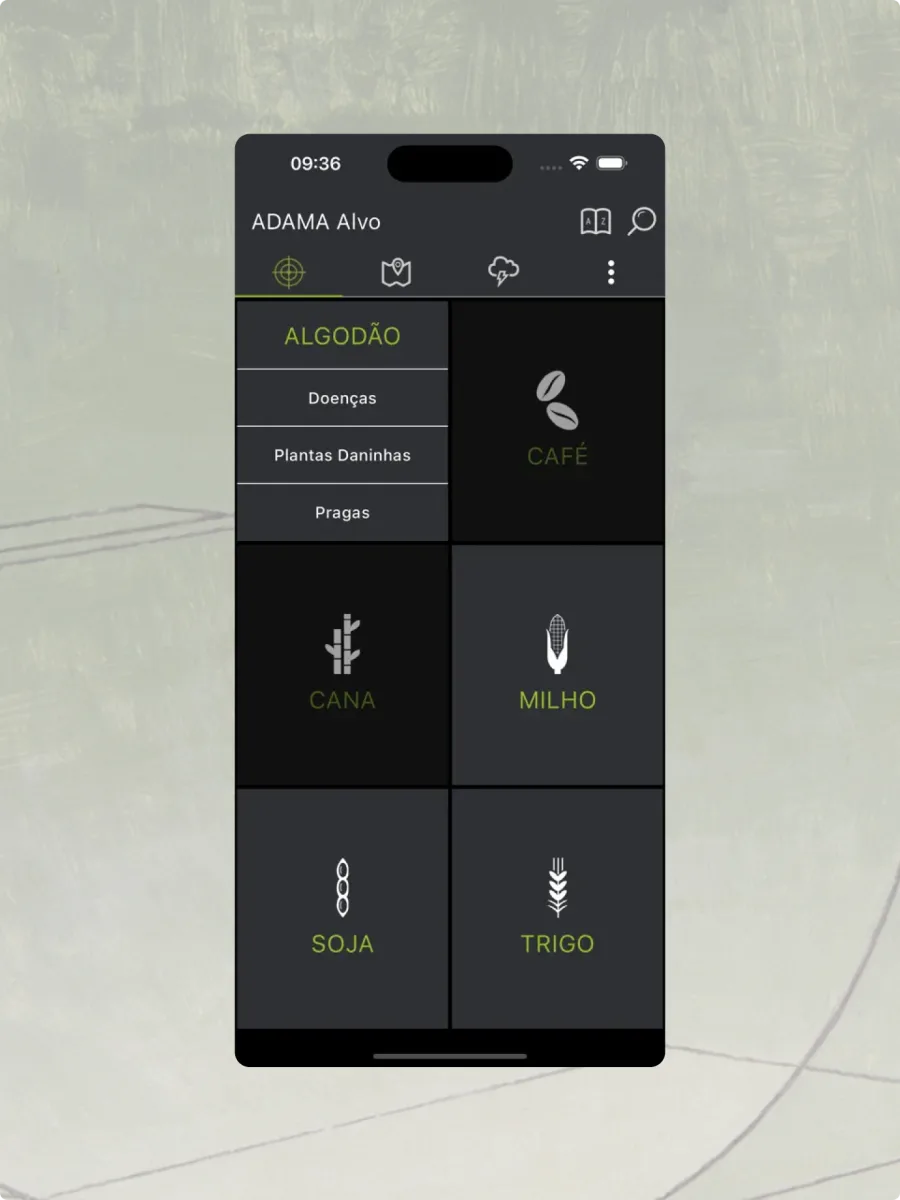 BRQ and ADAMA use AI to accelerate app modernization at every stage of development ADAMA
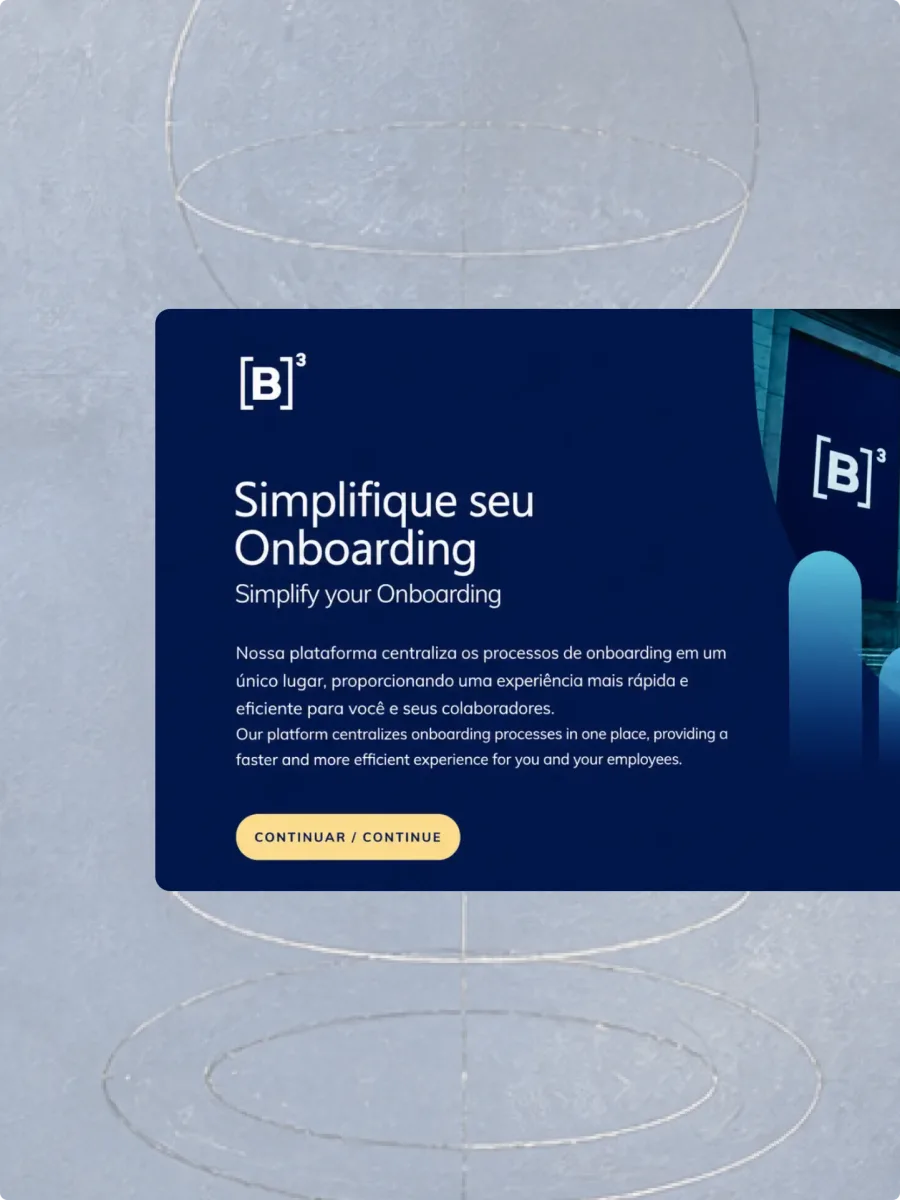 BRQ and B3 build a digital platform that simplifies market entry for financial participants B3
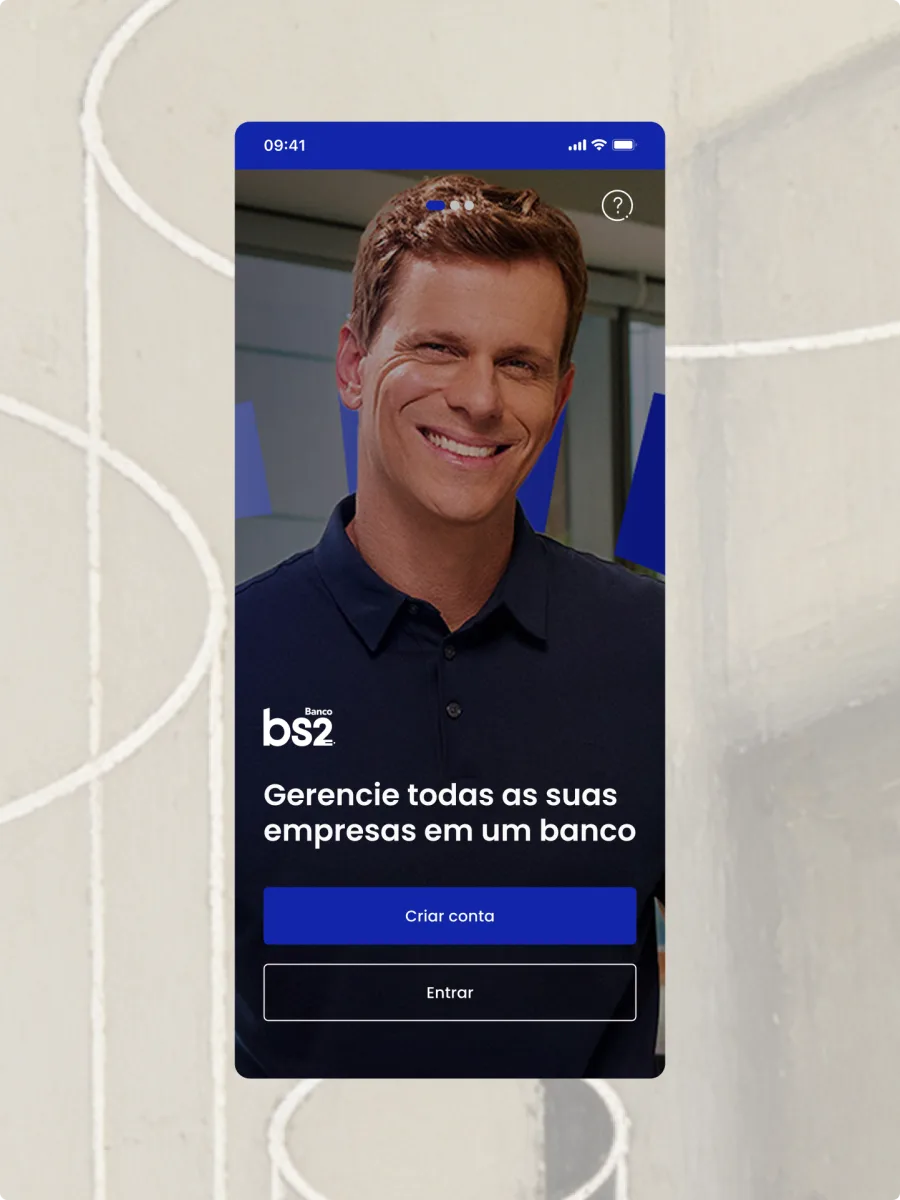 BRQ and BS2 cut account-opening time by 75% BS2
 BRQ and Banco Hyundai cut cloud costs by 50% with FinOps and Managed Services Banco Hyundai
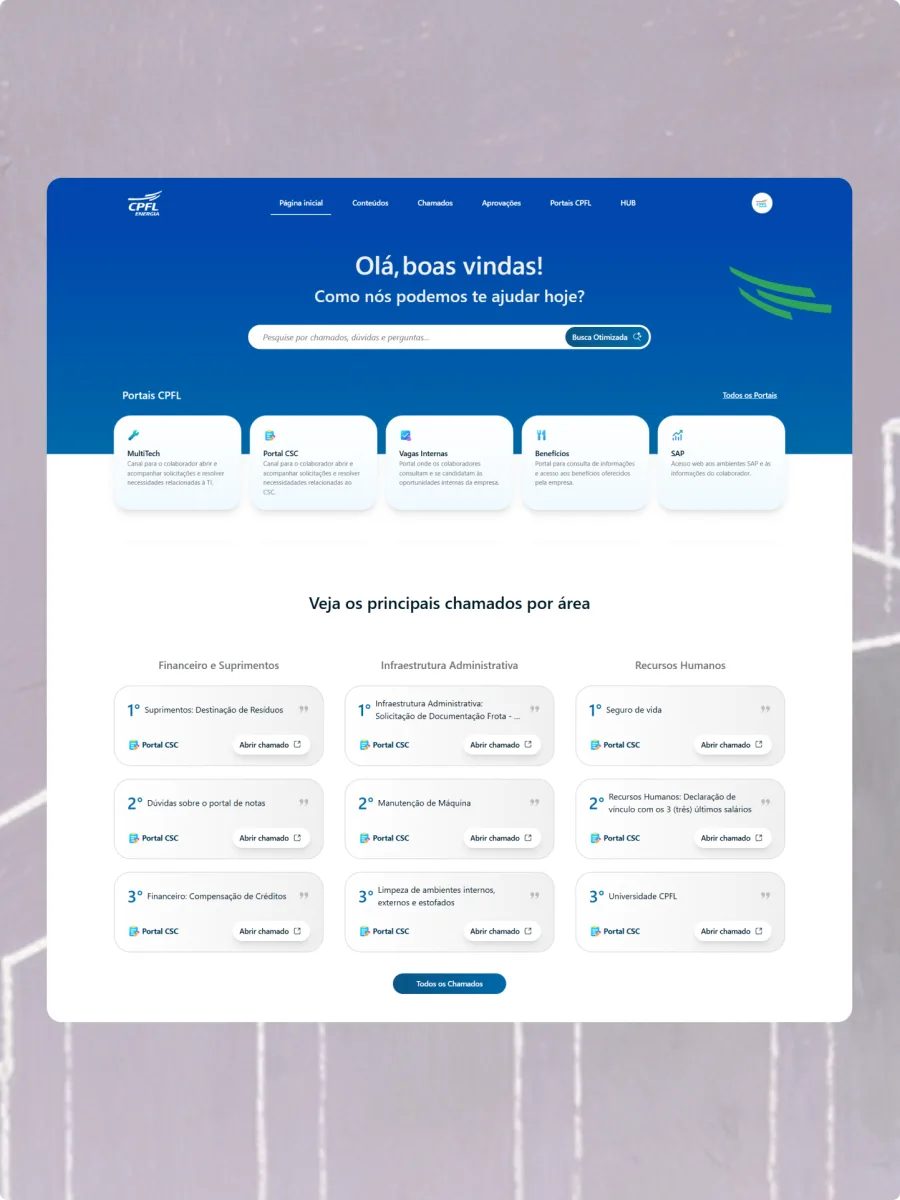 BRQ and CPFL centralize the employee experience with SuperPortal CPFL
 BRQ and RD Saúde modernize data and overhaul analytics with AWS and Docker RD Saúde
